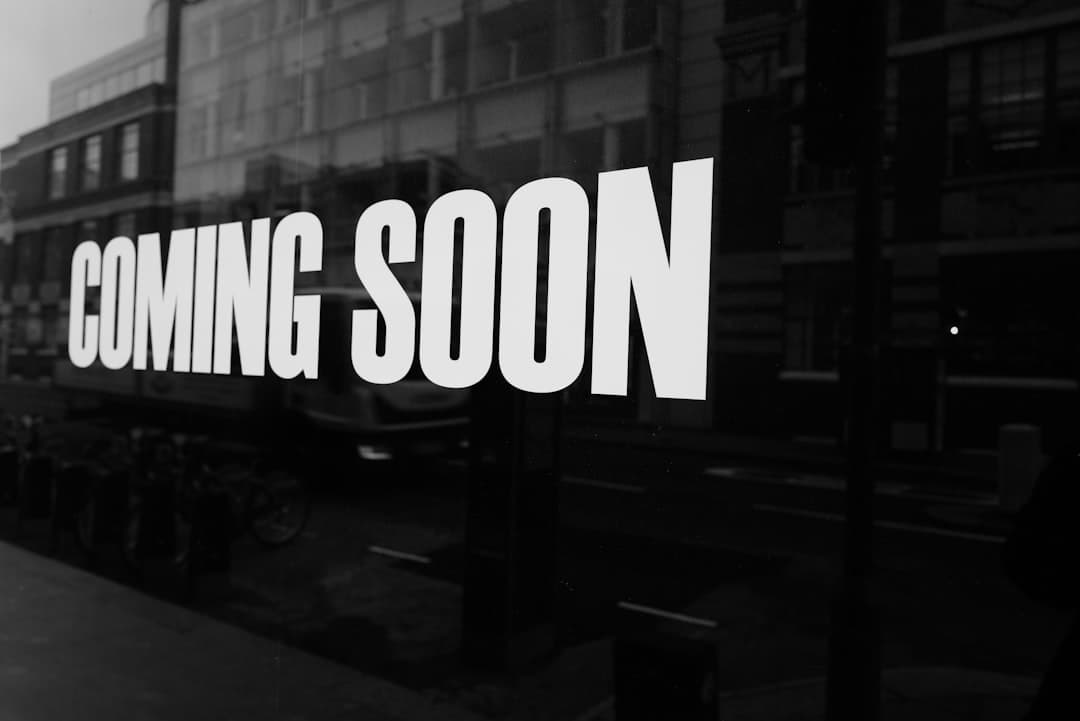
A coming soon page is the placeholder that holds your brand’s spot before launch, and its real job is to capture interest while you build. The best ones do more than say work is in progress. They explain what is coming, give a reason to care, and collect emails so you launch to an audience instead of silence.
Key takeaways
- A coming soon page should capture leads, not just announce that a site is on the way, so an email field is the core element.
- One clear value statement, a single action, and a hint of what is coming do more than a flashy countdown alone.
- Trust signals like a real brand, social links, and a privacy note turn a placeholder into something people will share their email with.
- The most common mistakes are vague copy, no email capture, and treating the page as decoration instead of a marketing asset.
- Framer lets you launch a polished, fast coming soon page in hours, then evolve it into the full site without rebuilding.
What a coming soon page is really for
Most people think a coming soon page exists to fill the gap until the real site is ready. That is the smallest part of its value. The bigger purpose is to start building an audience before launch, so that the day you go live, you already have a list of people waiting. A page that simply says we are coming soon and offers nothing in return is a wasted opportunity.
Treat the page as the first chapter of your launch, not a holding screen. Every visitor who lands on it is curious enough to have found you early, which makes them the most valuable kind of prospect. The page’s job is to convert that curiosity into a captured email or a follow, so the interest is not lost the moment they leave.
Who lands on a coming soon page
The people who reach a coming soon page are early and intentional. They might have heard about you from a teaser post, a press mention, a friend, or a domain they typed in on a hunch. They are not casual. They came looking, which means they are warm and worth capturing properly.
Because these visitors are already interested, the page does not need to hard-sell. It needs to confirm they are in the right place, give them a clear reason to stay connected, and make signing up effortless. Overcomplicating the experience for an audience that is already leaning in is the surest way to lose them. Respect their curiosity with clarity and a single, obvious next step.
The key sections of an effective coming soon page
A coming soon page is short by nature, so every element has to earn its place. A handful of well-chosen sections is all you need.
The headline and value statement
The headline should make it instantly clear who you are and what is coming. Pair it with one or two lines of value that answer the visitor’s silent question: why should I care? Vague taglines like Something big is coming waste the moment. Tell people what the product or service does and who it is for, even if you keep the full details under wraps.
The email capture
This is the heart of the page. A single email field with a clear button is enough. Tell visitors what they get for signing up, whether that is early access, launch updates, or a founding-member perk. The fewer fields you ask for, the higher the signup rate, so resist the urge to collect anything beyond an email at this stage.
Supporting elements
A countdown timer can add urgency when you have a firm launch date, but it is optional and backfires if the date slips. Social links let interested visitors follow you elsewhere. A short note on what is coming, a single product teaser image, and a privacy reassurance round out the page without cluttering it. The discipline is to add only what increases signups.
Building trust on a page with almost nothing on it
Asking for an email is asking for trust, and a sparse page has to earn it quickly. A real, consistent brand identity does most of the work. A clean logo, a coherent color palette, and a confident headline tell visitors this is a serious operation, not an abandoned domain. The way the page looks is the strongest signal of credibility you have before launch.
Beyond visual polish, small reassurances matter. A brief privacy line that promises no spam, visible social profiles that prove you exist beyond this page, and a clear sense of who is behind the project all lower the perceived risk of handing over an email. The design choices that make the page feel trustworthy are the same ones that govern a great about page, where credibility is the entire point. A coming soon page is essentially a compressed version of that same trust-building exercise.
Real-world coming soon page examples
The most effective coming soon pages tend to be strikingly simple. A bold full-screen background, a confident one-line headline, an email field, and nothing else. The restraint signals confidence and keeps the visitor focused on the single action that matters. Product launches often add one teaser image or a short looping animation that hints at what is coming without revealing everything.
Waitlist-driven launches push the signup benefit harder, promising early access or a spot in line, which gives the visitor a concrete reason to enter their email rather than a vague update someday. App launches frequently combine a coming soon page with a clear product promise, borrowing the focus and clarity of a strong app landing page even before the product exists. Across all of these, the winning pattern is the same: one promise, one action, and enough polish to feel real.
Common coming soon page mistakes
The biggest mistake is having no email capture at all. A page that announces a launch but gives visitors no way to stay in touch throws away every bit of interest it attracts. The second mistake is a vague headline that fails to explain what is actually coming, leaving curious visitors with no reason to sign up.
The third mistake is asking for too much information. Every extra form field lowers conversion, and at the coming soon stage, an email is all you need. The fourth is a countdown that promises a date you cannot hit, which breaks trust when it passes with no launch. The fifth is treating the page as throwaway and letting it look unfinished, which makes the whole brand feel unreliable before it has even started. The same care you would put into a polished error state, like a well-crafted 404 error page, should go into the coming soon page, because both are moments where design quality shapes the visitor’s whole impression.
Driving traffic to a coming soon page
A coming soon page only captures leads if people actually reach it, so plan how traffic will arrive before you publish. The most reliable early sources are your own channels: a personal or company social profile announcing the project, a short post explaining what is coming, and direct messages to people who would genuinely want to know. Even a small founder audience can seed a meaningful launch list when pointed at a focused signup page.
Press and partnerships extend that reach. A mention in a relevant newsletter or a feature on a launch-watching site sends curious, qualified visitors straight to your page. If you are running any paid promotion, a coming soon page makes a clean destination, because there is exactly one action to take. The simpler the page, the higher the share of visitors who convert, which is why the focused design pays off twice: once in clarity and once in signups.
Make the page worth sharing
Early visitors are also your earliest potential promoters, so give them a reason to pass the page along. A striking visual, a compelling promise, or an exclusive early-access perk turns a passive viewer into someone who tells a friend. Set your social preview image and title deliberately, because when the link is shared, that preview is the first thing the next person sees. A polished preview card can be the difference between a link that spreads and one that stalls.
How Framer helps you launch a coming soon page
Framer is ideal for coming soon pages because it lets you ship something polished in hours rather than days. You can start from a clean canvas, add a striking background, drop in a headline, and connect a working email capture form without writing any code. The result looks custom and loads fast, which is exactly the impression you want to make on early visitors.
Framer’s form handling means the email signups actually go somewhere useful, and you can connect them to your email tool so your launch list builds automatically. Subtle animations and interactions are simple to add, giving the page life without hurting performance. The breakpoint system ensures it looks sharp on phones, where a large share of early, shared traffic will land.
The biggest advantage is continuity. Because the coming soon page lives in the same Framer project as your eventual full site, you do not throw it away at launch. You evolve it. The brand, the components, and the captured list all carry forward, so the placeholder becomes the foundation of the real thing rather than a detour. That makes a Framer coming soon page a genuine head start rather than disposable filler.
Launch to an audience, not to silence
We build Framer coming soon pages that capture leads, look unmistakably yours, and grow into your full site. Start building your launch list today.
Frequently Asked Questions
What should a coming soon page include?
At minimum, it needs a clear headline that explains what is coming, a short value statement, and an email capture field with an obvious button. Optional additions include a countdown if you have a firm date, social links, a teaser image, and a brief privacy reassurance. The goal is to convert interest into signups, so the email field is non-negotiable.
Do I need a countdown timer on a coming soon page?
No. A countdown can add useful urgency when you have a confirmed launch date, but it is optional and risky. If the date slips, the expired timer damages trust. If you are not certain of the date, skip the countdown and focus on a strong value statement and email capture instead.
How many form fields should the signup have?
Just one, an email address. Every additional field lowers the signup rate, and at the coming soon stage you only need a way to reach interested visitors at launch. You can collect more information later once people are on your list. Keeping it to a single field maximizes conversions.
Can I build a coming soon page in Framer without code?
Yes. Framer lets you design a polished coming soon page visually, including a working email capture form connected to your email tool, with no coding required. It is responsive across devices, loads fast, and because it lives in the same project as your future site, it evolves into the full launch rather than being discarded.