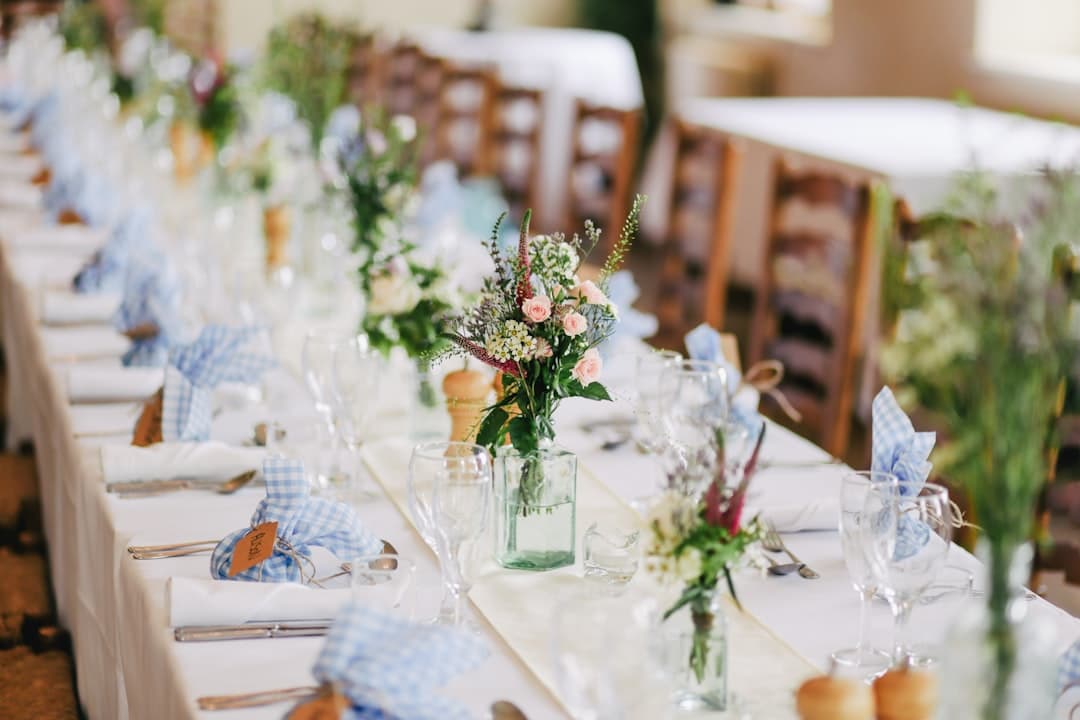
Wedding planner website design is the practice of building an elegant, trust-driven site that turns engaged couples into booked clients. The best wedding planner sites lead with stunning real-event photography, present clear service packages, prove credibility through reviews and featured weddings, and make the inquiry process effortless so couples reach out while they are excited.
What Makes a Great Wedding Planner Website
Couples are planning one of the most important and expensive days of their lives, and they choose a planner based on emotion, trust, and proof of taste. Your website is where that decision begins. It has to convey your aesthetic, communicate that you are reliable and experienced, and feel like the kind of beautiful, organized presence they want guiding their day.
A great wedding planner site works on two levels. Emotionally, it sells a feeling through gorgeous imagery and a refined design that mirrors the experiences you create. Practically, it answers a couple’s real questions about services, style, and process, then makes it easy to inquire. Because couples often browse on their phones late at night, the site must be fast, mobile-first, and visually flawless. The goal is simple: get the right couples excited enough to send an inquiry.
Must-Have Pages and Sections
A wedding planner website should showcase your work and guide couples toward an inquiry. These are the pages that do it.
- Homepage: A breathtaking hero with real wedding imagery, your brand promise, and a clear inquiry call to action.
- Portfolio or galleries: Full galleries of real weddings, organized by style or venue.
- Services and packages: Clear descriptions of full planning, partial planning, and day-of coordination, with pricing or starting points.
- About page: Your story, your philosophy, and why couples connect with you.
- Reviews and testimonials: Heartfelt feedback from past couples.
- Featured weddings or blog: Detailed real-wedding features that build credibility and SEO.
- Inquiry or contact page: A warm, simple form to start the conversation.
- FAQ: Answers to common questions about process, pricing, and availability.
Trust Signals That Book More Couples
Choosing a wedding planner is an act of trust, and couples look for reassurance everywhere on your site. Cluster these signals near your inquiry buttons and throughout your portfolio.
- Real wedding photography that proves your taste and range.
- Testimonials from past couples, ideally with names and wedding details.
- Publication features and awards, such as being featured on wedding blogs and magazines.
- Venue and vendor relationships that signal you are established in the industry.
- Years of experience and number of weddings planned.
- Press logos and badges displayed prominently.
A thoughtfully designed testimonial section placed near your packages turns admiration into inquiries. Emotional, specific reviews from real couples are far more persuasive than generic praise.
Conversion Elements That Drive Inquiries
For a wedding planner, the conversion is a quality inquiry from a couple who fits your style and budget. Every page should make reaching out feel natural and exciting, while gently pre-qualifying couples so your inbox stays full of the right leads.
| Element | Why It Works |
|---|---|
| Clear inquiry button on every page | Keeps the next step visible while couples are inspired |
| Warm, well-designed inquiry form | Captures date, venue, and vision while feeling personal |
| Pricing or starting points | Pre-qualifies couples so you talk to the right fit |
| Featured real weddings | Lets couples picture their own day in your hands |
| Availability or response promise | Reassures couples they will hear back quickly |
Asking for the wedding date, venue, and a short note about their vision helps you qualify inquiries before the first call. For form length and button copy that convert, study our CTA button design guide alongside our contact page design guide.
SEO Basics for Wedding Planners
Couples search for planners by location and style, with terms like “wedding planner in Charleston” or “luxury wedding coordinator.” Local and content SEO bring in couples who are actively planning, often months before they book.
- Target location keywords in your titles, headings, and service pages.
- Optimize your Google Business Profile with photos and reviews.
- Publish real wedding features that target venue and style searches.
- Add LocalBusiness schema so search engines understand your service area.
- Keep the site fast, since wedding sites are extremely image-heavy.
Real wedding features double as your best content marketing, ranking for venue names and styles while inspiring couples. To build that habit, see our guide on adding a blog to your Framer website, then keep galleries fast with our image optimization guide.
Common Wedding Planner Website Mistakes
Most wedding planner sites lose inquiries for avoidable reasons. Fix these and you will stand out to the couples you want.
- Weak or sparse photography, when imagery is your entire pitch.
- No pricing guidance, attracting mismatched inquiries and wasting your time.
- Hard-to-find inquiry buttons that lose excited couples.
- Slow, heavy galleries that frustrate mobile browsers.
- Generic design that fails to convey your unique style.
- Outdated portfolio, making the business look inactive.
- Poor mobile experience, where most couples browse first.
Design Inspiration for Wedding Planner Sites
The best wedding planner sites feel romantic, refined, and unmistakably yours. Soft, sophisticated color palettes, elegant serif typography, and generous white space create a luxurious, editorial feel. Large, full-bleed photography of real weddings carries the emotion, while clean layouts keep your services and process easy to follow.
Let your brand voice shape the look: a modern minimalist planner can lean clean and architectural, while a romantic stylist embraces soft tones and flowing imagery. Subtle motion, like gentle fades and smooth gallery transitions, adds polish that mirrors the care you bring to events. For broader direction, browse our roundup of best website design examples and pull layout ideas from photography studio website design, which solves the same image-first challenge.
Why Framer Is a Strong Fit for Wedding Planner Websites
Framer is built for the visual, content-rich sites that wedding planners need. You get designer-grade layouts, smooth animations, and full responsive control without code, plus a content management system that makes adding new real-wedding features and galleries effortless. Your portfolio stays fresh without hiring a developer for every update.
Because Framer sites load fast and look flawless on mobile, your stunning photography makes an immediate impression and your site ranks well locally. At Framer Websites, we build elegant wedding planner sites entirely in Framer for planners who want their website to feel as beautiful as the events they create. See examples in our portfolio, review our pricing, or get in touch to book more dream couples.
Planning Your Wedding Planner Website
A wedding planner website that books the right couples starts with clarity about who those couples are. A luxury full-service planner attracts a different client than a day-of coordinator, and that difference should shape your photography, your color palette, your pricing presentation, and your tone of voice. Before any design begins, define your ideal couple and your signature style, then plan to express both consistently so the right people feel an instant connection and the wrong-fit inquiries naturally fall away.
Photography carries the entire emotional pitch, so it deserves your earliest attention. Gather your strongest real-wedding galleries, organized by style or venue, and make sure they represent the kind of work you want more of. Couples imagine their own day through your portfolio, so lead with images that match the experiences you most want to create. Plan how you will source new wedding photos from the photographers you work with, since a fresh, current portfolio signals an active, in-demand business.
Map the inquiry journey before you build the pages. A couple who lands on a featured wedding from a venue search behaves differently from one who arrives ready to check your availability. Your homepage should inspire and guide warm visitors toward an inquiry, while your real-wedding features and service pages capture couples earlier in their planning. Decide what information your inquiry form should collect, such as wedding date, venue, and a short note about their vision, so you can pre-qualify and respond personally.
Growing Your Business After Launch
A wedding planner website compounds in value when you keep it alive. The best growth habit is publishing real-wedding features consistently, because each one ranks for venue names and styles, inspires browsing couples, and proves you are actively booking beautiful events. Treat every wedding you plan as future content, gather the gallery and a short story, and turn it into a feature that works for your search rankings and your portfolio at the same time.
Reviews and relationships drive referrals in this industry, so make them part of your routine. Ask delighted couples for heartfelt testimonials and feature them prominently near your packages, where they reassure couples at the moment of decision. Nurture your relationships with venues and vendors too, since those connections often appear on your site as logos and partnerships that signal you are established and trusted within the wedding community.
Keep an eye on performance after launch. Wedding sites are extremely image-heavy, and a slow site loses inquiries on mobile where most couples browse late at night. Monitor your load speed, compress new gallery images, and track which features and pages generate the most inquiries. When you understand what attracts your ideal couples, you can create more of it and keep refining the experience so your website consistently fills your calendar with dream clients.
Frequently Asked Questions
Should a wedding planner website show pricing?
Showing at least starting prices or package ranges is strongly recommended. Pricing guidance pre-qualifies couples so your inquiries come from people who fit your budget and style, which saves you time and improves your booking rate. You can present a starting point and discuss full details during the consultation.
What should a wedding planner website include?
A strong wedding planner site includes a stunning homepage, full real-wedding galleries, clear service packages with pricing guidance, an about page, testimonials, featured weddings or a blog, an FAQ, and a warm inquiry form. The portfolio and testimonials carry the most weight in a couple’s decision to reach out.
Is Framer good for a wedding planner website?
Yes. Framer delivers elegant design, fast performance, and an easy content management system, which suits image-heavy, emotionally driven wedding sites. You can publish new real-wedding features and refresh galleries without a developer while keeping the polished, romantic look that convinces couples to inquire.