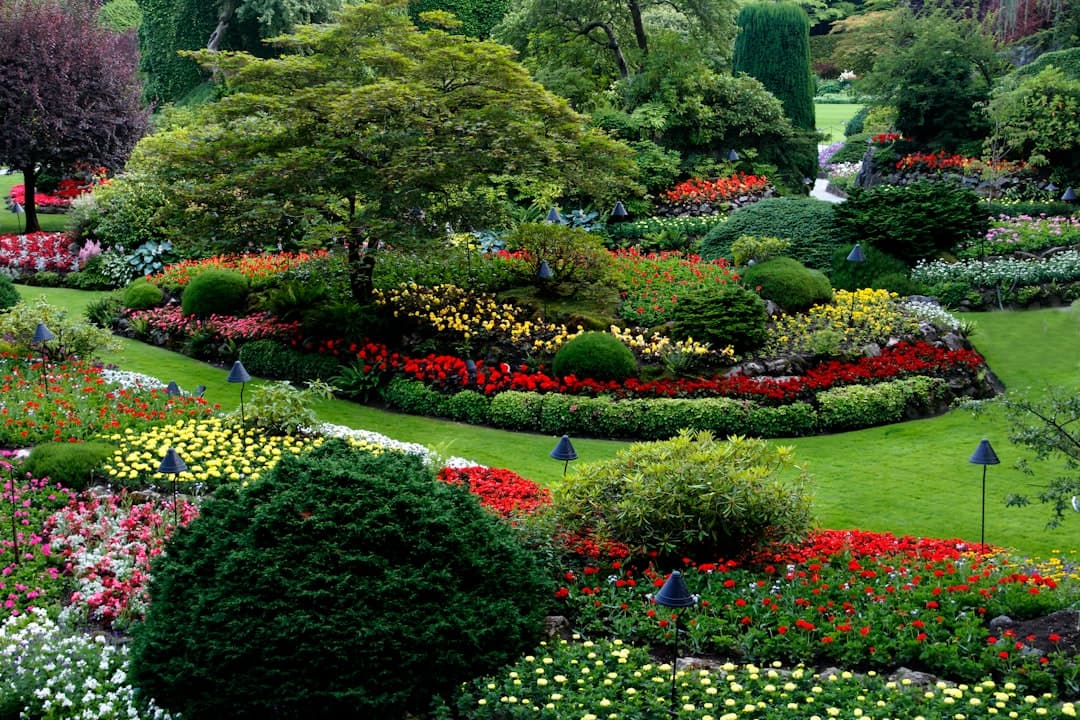
Landscaping website design is the work of building a visual, fast, locally optimized site that turns homeowners and property managers into booked consultations. The best landscaping sites lead with a strong project portfolio, organize work by service and location, make requesting a quote effortless, and load quickly so image-rich pages never feel sluggish.
Key Takeaways
- Landscaping sells transformation, so portfolio photography is the most important conversion asset on the site.
- A clear quote or consultation request, present on every page, is the primary path from visitor to lead.
- Service pages by offering and city pages by location capture the specific searches local buyers run.
- Seasonal services and maintenance plans deserve dedicated content to capture recurring revenue.
- Framer handles heavy galleries fast and removes the maintenance burden of traditional platforms.
Why Landscaping Website Design Is Its Own Discipline
Landscaping is a visual sale. People are not buying a service so much as a transformation of the space they live or work in. That means the website carries an unusual burden: it has to make someone picture their own yard, patio, or commercial grounds looking dramatically better. Words alone cannot do that. Photography does the heavy lifting, and the design exists to showcase it.
The second defining trait is range. A landscaping company might do design and installation, ongoing maintenance, hardscaping, irrigation, lighting, and seasonal cleanups. Each of those is a different search, a different buyer mindset, and sometimes a different revenue model. A site that lumps everything onto one page fails to capture the breadth of demand. A well-structured site gives each service room to convert its own audience.
Finally, landscaping is seasonal and recurring in ways that shape the site. Spring cleanups, summer maintenance, fall leaf removal, and winter services each have their own timing. The companies that win build content for these cycles and design the site to push high-margin recurring plans, not just one-off projects.
The Aspiration Mindset
Most landscaping buyers are aspirational. They have seen something they want, a beautiful patio, a lush lawn, a clean commercial frontage, and they are looking for someone to make it real. Your site succeeds when a visitor sees a project like the one they imagine and thinks, “These are the people who can do that for me.” Designing for aspiration means leading with your best transformations and making it easy to start a conversation.
The Pages a Landscaping Site Needs
Structure is what lets a landscaping company capture the full spread of local demand and route each visitor to a quote. Build out these core pages and expand by service and location.
- Home: A hero with striking project imagery, your services, area, and a quote request.
- Portfolio: Organized galleries by project type, the centerpiece of the site.
- Services: Design, installation, maintenance, hardscaping, irrigation, and lighting as distinct pages.
- Seasonal services: Cleanups and seasonal care to capture recurring, time-sensitive demand.
- Maintenance plans: A page selling ongoing care, your most valuable recurring revenue.
- Service areas: City and neighborhood pages for local search.
- Reviews and about: Social proof, licensing or certifications, and your story.
Organizing pages around distinct buyer intents is a discipline that pays off across industries. Our B2B website design guide explains how to build architecture around what each visitor actually wants, and the same approach lets a landscaping brand serve homeowners and property managers from one cohesive site.
Lead With Your Portfolio
The portfolio is the heart of a landscaping site, and most companies underinvest in it. Strong, well-organized project photography sells better than any description. Invest in good images of your finished work, and ideally show before-and-after pairs so visitors grasp the transformation. Organize the gallery by project type, such as patios, lawn renovations, garden design, and commercial grounds, so a visitor can quickly find work like the project they have in mind.
Surround the portfolio with trust signals. Display recent reviews with star ratings. Note any certifications, licensing, or industry memberships. Show that you are insured. For property managers, signal that you can handle commercial scale and reliability. Each element answers a question in the buyer’s mind and moves them toward requesting a consultation.
Make the Quote Request Easy
The consultation or quote request is how landscaping leads convert. It should appear in the hero, repeat across the site, and anchor a short form. Ask for the essentials: name, address, phone, and a line about the project. Landscaping projects vary too much for a price calculator to be useful, so the goal is simply to start a conversation. A free design consultation framing works well, because it positions the first step as valuable rather than a sales pitch.
Capture Seasonal and Recurring Revenue
One-off installations are good, but the real durability of a landscaping business comes from recurring maintenance. The website should actively sell it. A dedicated maintenance plans page that explains what is included, why ongoing care protects the homeowner’s investment, and how to sign up turns occasional buyers into recurring clients.
Seasonal content amplifies this. Pages for spring cleanup, summer maintenance, fall leaf removal, and winter services let you rank for time-sensitive searches and remind existing clients to book. Because these searches spike predictably, having dedicated, well-optimized pages ready before each season captures demand competitors miss. Designing the site so these offers are easy to surface and update keeps you aligned with the calendar that drives your revenue.
Service and Location Pages for Landscaping Search
Landscaping searches are specific. People look for “patio installation,” “lawn care” plus a city, “landscape design near me,” or “commercial landscaping.” A single services page cannot rank for all of it. Dedicated pages for each service and each location are the answer.
On every service page, explain the work, show relevant portfolio examples, describe your process, and offer the consultation. City pages should be tailored with local detail and relevant nearby projects. Producing this volume of pages benefits from a clear, phased plan rather than an ad-hoc scramble. Our website design process lays out how to scope and ship a multi-page site in stages, which keeps a content-rich landscaping build on track from kickoff to launch.
Local SEO for Landscapers
The website works alongside your Google Business Profile, directory listings, and review platforms. Keep your business name, address, and phone identical everywhere. Embed a service area map and list the cities you cover. Encourage satisfied clients to leave reviews, ideally with photos of the finished work. These signals tell search engines you are an established local operator, lifting your visibility for the location-based searches that drive the most qualified consultations.
Why Framer Fits Landscaping Companies
Landscaping sites are image-heavy, and that is where many platforms struggle. Framer handles performance well, so a portfolio-rich site still loads quickly on mobile. Since most local searches happen on phones, that speed directly protects your lead flow. A slow gallery loses visitors before they ever see your best work.
Framer also removes the maintenance burden. There are no plugins to update, no security patches to chase, and no risk of an automatic update breaking the portfolio. The site stays fast and stable while your team focuses on the work itself. Adding new projects, updating seasonal offers, or adjusting service areas is straightforward, which keeps the site current as your business and the seasons change.
The conversion elements that matter, prominent quote forms, sticky call buttons, and clean galleries, are easy to build in Framer, and the platform manages speed automatically. The same performance and structure principles we apply to high-intent sites for technical companies, detailed in our SaaS website design guide, translate directly to a landscaping brand that needs every visitor to take a clear next step toward a consultation.
Landscaping Website Mistakes to Avoid
A few common errors quietly suppress landscaping leads. Avoiding them keeps your consultations booked.
- A weak portfolio: Without strong, organized project photos, you have not made the visual sale.
- Ignoring recurring revenue: No maintenance plan page leaves your most valuable offer hidden.
- One generic services page: It cannot rank for service and location-specific searches.
- No seasonal content: You miss predictable spikes in timely, high-intent demand.
- Slow, heavy pages: Unoptimized image galleries lose mobile visitors quickly.
- A buried quote request: The path to a consultation should be obvious on every page.
Your Landscaping Website Checklist
Use this list to commission a new site or audit an existing one. It captures what consistently turns landscaping traffic into booked consultations.
- A strong portfolio organized by project type, with before-and-after pairs.
- A quote or consultation request in the hero and repeated site-wide.
- A short request form asking only for essential details.
- A dedicated maintenance plans page selling recurring care.
- Seasonal service pages ready ahead of each season.
- Individual service pages for design, install, hardscaping, irrigation, and lighting.
- City-level service area pages.
- Recent reviews displayed prominently.
- Fast mobile load times despite heavy imagery.
- Consistent business name, address, and phone everywhere.
Cover each item and your site will do its real job: turning aspirational, local visitors into booked consultations and signed landscaping projects.
Want a landscaping website that shows off your best work and books consultations? Get in touch with our team and we will build a fast, portfolio-forward Framer site designed around your services, your seasons, and how local buyers search.
Frequently Asked Questions
What should a landscaping website include?
A landscaping website should include a strong project portfolio organized by type, dedicated service pages, a maintenance plans page for recurring revenue, seasonal service content, city-level service area pages, recent reviews, and an easy quote or consultation request on every page. Portfolio photography is the most important asset, because landscaping is a visual, aspirational purchase.
How do landscaping companies get more leads online?
Landscaping companies get more leads by leading with a strong portfolio, making a free consultation or quote request prominent everywhere, building service and location pages that match specific searches, and selling recurring maintenance plans. Seasonal content captures predictable demand spikes, and a consistent Google Business Profile with genuine reviews amplifies local search visibility.
Why use Framer for a landscaping website?
Framer handles performance well, so a photo-heavy landscaping portfolio still loads quickly on mobile, where most local searches happen. It also removes plugin maintenance, security patching, and update risk, keeping the site fast and stable while making it easy to add new projects, update seasonal offers, and adjust service areas as the business grows.