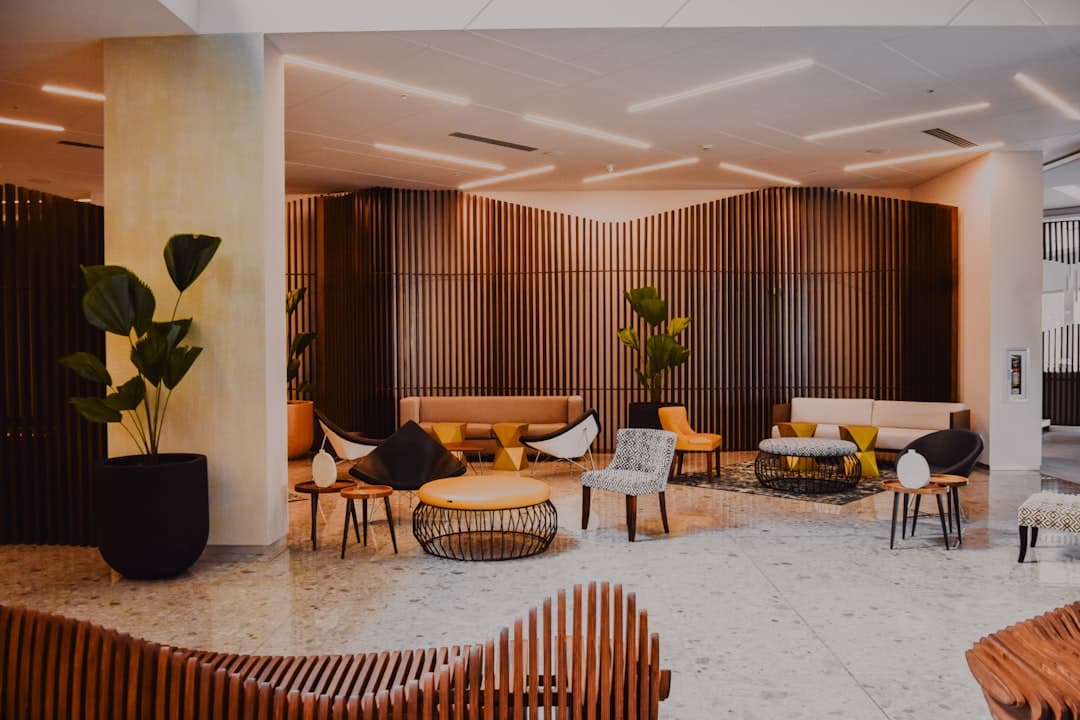
Hotel website design is the practice of building a fast, visually rich site that showcases your property, communicates its experience, and drives direct bookings instead of pushing guests to third-party travel agencies. A strong hotel site leads with immersive imagery, makes room rates and availability easy to find, and places a clear booking button on every screen.
Key Takeaways
- The job of a hotel website is to win direct bookings so you keep the commission that online travel agencies would otherwise take.
- Photography and atmosphere do the heavy lifting. Guests book a feeling, so the visuals must sell the experience before the price.
- A booking engine and a persistent “Book Now” button should be available from every page without friction.
- Hotel website design must be mobile first, fast, and trustworthy, since most travelers research and book on a phone.
- Framer lets boutique and independent hotels ship a cinematic, high-performance site with animation and clean code, no developer required.
Why Direct Bookings Are the Whole Game
Online travel agencies are useful for reach, but they charge commissions that eat into every reservation, and they own the guest relationship. Your own website flips that. A direct booking keeps the commission, captures the guest’s email, and lets you upsell room upgrades, breakfast, and packages on your terms. Every design decision on a hotel site should serve one question: does this make a direct booking more likely?
This is the same trust-and-clarity logic that drives conversion in other industries. The credibility principles in our B2B website design guide apply directly here, because a traveler comparing your boutique hotel to a chain is making a trust decision just like a buyer comparing two software vendors.
The Pages and Sections a Hotel Website Needs
A hotel site is content-rich but should still feel effortless to navigate. These are the building blocks.
Home
The home page is your front door. A cinematic hero image or short looping video of the property sets the tone in a second. Layer in a one-line promise of the experience, a visible booking widget, and quick links to rooms, amenities, and location.
Rooms and Suites
Each room type deserves rich detail: multiple photos, square footage, bed configuration, view, amenities, and a starting rate. A guest should be able to picture waking up in that room. End each room block with a direct booking button.
Amenities and Experience
Spa, restaurant, pool, rooftop bar, concierge service. These pages sell the stay beyond the bed. Use them to capture searches like “hotel with rooftop pool downtown” that pure room pages miss.
Location and Local Guide
Travelers want to know what surrounds the hotel. A map, transit and airport notes, and a short curated guide to nearby restaurants and attractions both help guests and earn local search traffic.
Offers and Packages
Seasonal deals, romance packages, and extended-stay rates give price-sensitive guests a reason to book direct. This is also where you can quietly beat the online travel agency price.
Gallery, Reviews, and Contact
A gallery lets guests browse the property at their own pace, social proof reassures the hesitant, and a clear contact section handles special requests and group inquiries.
Visual Design Patterns for Hotels
Hospitality is an emotional purchase, so the design has to feel like the stay. A few patterns consistently lift bookings.
- Full-bleed imagery. Edge-to-edge photos and video make a property feel immersive. Shoot in warm, natural light and keep the editing consistent.
- Elegant, restrained typography. A refined serif for headings paired with a clean sans for body copy reads as upscale without trying too hard.
- A calm, confident palette. Muted tones, warm neutrals, and a single accent color feel premium. Loud color schemes feel like a budget motel.
- Cinematic motion. Slow parallax and gentle fades as the guest scrolls create a sense of depth. Framer handles these natively, so the page stays fast.
- Persistent booking access. A sticky booking bar or button that follows the scroll means a guest can reserve the moment they are convinced.
Always let the content lead the visual choice. Decide what each section must make the guest feel, then choose the image, video, or animation that delivers it. That discipline keeps a luxury site feeling intentional rather than overdesigned.
Building a Hotel Website in Framer
Framer suits hotels because it pairs cinematic design freedom with strong performance and built-in hosting. You can design the immersive, animated experience luxury travelers expect, and Framer outputs optimized, responsive code without a separate development phase.
Design the Experience, Then the Pages
Start by deciding the emotional arc of the home page, then build outward. Establish your typography, color, and spacing system once, then carry it across rooms, amenities, and offers so the whole property feels like one brand.
Use Components for Rooms and Offers
Room cards, offer blocks, and amenity tiles repeat across the site. Build each as a Framer component so updating a rate or swapping a seasonal package takes seconds and stays consistent everywhere.
Integrate Your Booking Engine
Most hotels run a dedicated booking engine or property management system. Framer lets you embed that booking widget and place a sticky reservation button site-wide, so the path from inspiration to confirmed stay is always one tap away.
Following a repeatable build sequence keeps a content-heavy hotel project from sprawling. Our website design process walks through research, wireframing, design, build, and launch in a way that maps cleanly onto a multi-page hospitality site.
Mobile, Speed, and Trust
Most travelers research on a phone, often while commuting or lying in bed. If your booking widget is fiddly or your images take five seconds to load, they bounce to an online travel agency that loads instantly. Three things matter most on mobile:
- Speed. Compress hero images, avoid heavy autoplay video on small screens, and keep the booking flow lightweight. Aim for a load under two and a half seconds.
- Thumb-friendly booking. Date pickers, room selectors, and the confirm button must be large and easy to tap.
- Trust signals. Verified reviews, secure payment badges, clear cancellation policies, and real contact details reassure a guest about to enter card details.
SEO for Hotels
Discovery matters as much as conversion. A few fundamentals put your property in front of searching travelers.
- Target intent-rich phrases. Use terms travelers actually search, like “boutique hotel near the harbor” or “pet friendly hotel downtown”, in headings and copy.
- Add Hotel and LocalBusiness structured data. Schema helps search engines surface your rating, price range, and location in rich results.
- Build local guide content. Pages about the neighborhood, events, and attractions capture early-stage research traffic and bring it onto your site.
- Keep it fast. Page speed is a ranking factor, and Framer ships optimized images and clean code by default.
Common Hotel Website Mistakes to Avoid
- Burying the booking button. If a guest has to scroll and search to reserve, you lose the impulse moment.
- Weak photography. Dark, dated, or stock images undercut the whole experience. Invest in a professional shoot.
- No mobile booking flow. A desktop-only reservation path quietly sends mobile guests to the online travel agencies.
- Hidden total price. Surprise fees at checkout break trust and abandon carts. Be transparent about taxes and resort fees.
- Stale offers. An expired package on the home page makes a property look neglected.
Many of these problems come from picking a platform that makes updates painful. The lesson that the easiest site to maintain is the one you actually keep current runs through every vertical, including the tooling advice in our SaaS website design guide.
Accessibility and Multilingual Reach
Hotels serve a wide and varied audience, including international travelers and guests with accessibility needs, so an inclusive site is not optional. It widens your market and protects your reputation. A few priorities matter most.
- Readable contrast and text. Elegant, muted palettes are lovely, but rates, policies, and the booking flow must stay legible for every guest, including older travelers and those in bright sunlight on a phone.
- Descriptive alt text. Room and amenity images need clear alt text so screen reader users understand the property and so search engines can index a visual-heavy site.
- Keyboard-friendly booking. The reservation flow should be fully navigable without a mouse, since a clumsy booking widget loses guests who rely on assistive technology.
- Consider language options. If a meaningful share of your guests travel from abroad, offering key pages in another language signals genuine hospitality and can lift direct bookings from those markets.
Framer handles much of the responsive and image-optimization work automatically, which frees you to focus on the inclusive details that turn a wider audience into more confirmed reservations.
Writing Copy That Sells the Stay
Imagery sets the mood, but words seal the decision. Hotel copy works best when it is sensory and specific rather than generic. Instead of “a relaxing getaway,” describe the morning light across the harbor from a corner suite, the rooftop bar at sunset, the walk to the market two streets away. Concrete detail lets a traveler picture themselves there, and that picture is what drives a direct booking.
Tie every section to a guest’s reason for traveling. A couple on a romantic weekend wants the suite, the late checkout, and the candlelit restaurant. A business traveler wants fast internet, a quiet room, and an easy airport route. When your copy speaks to one of those motivations in plain, vivid language and points to the matching room or package, the path from daydream to confirmed reservation becomes short and natural. Keep the tone warm, lead with the experience, and let the booking button follow the promise you just made.
Turning Guests Into Repeat Bookings
A hotel site can do more than capture a first stay. Add an email signup for seasonal rates, invite past guests into a direct-booking loyalty perk, and surface curated packages that reward booking direct. These quiet loops reduce your dependence on paid channels and online travel agencies over time, and they compound as your guest list grows.
Want a hotel website that converts browsers into direct bookings and feels as refined as the stay itself? Talk to our team about a hotel website design built in Framer.
Frequently Asked Questions
How do I get more direct bookings instead of online travel agency bookings?
Make booking direct the easiest and most rewarding option. Place a persistent booking button on every page, offer a best-rate or member perk that beats the agency price, capture guest emails for future offers, and keep the booking flow fast and friction-free on mobile.
What makes hotel website design different from other small business sites?
Hotels sell an emotional, high-consideration experience, so imagery and atmosphere carry more weight than copy, and the site must integrate a real booking engine. The design has to move a guest from inspiration to a confirmed, paid reservation in as few taps as possible.
Should a hotel website use video?
Short, well-compressed looping video can be powerful on the home page to convey atmosphere, but it should never slow the page or autoplay heavy files on mobile. Use video where it adds feeling, and lean on optimized photography everywhere else for speed.
Why build a hotel website in Framer?
Framer combines the cinematic design control luxury hospitality demands with native responsiveness, fast load times, and built-in hosting. Boutique and independent hotels can ship a polished, animated, SEO-ready site and embed their booking engine without hiring a developer or wrangling plugins.