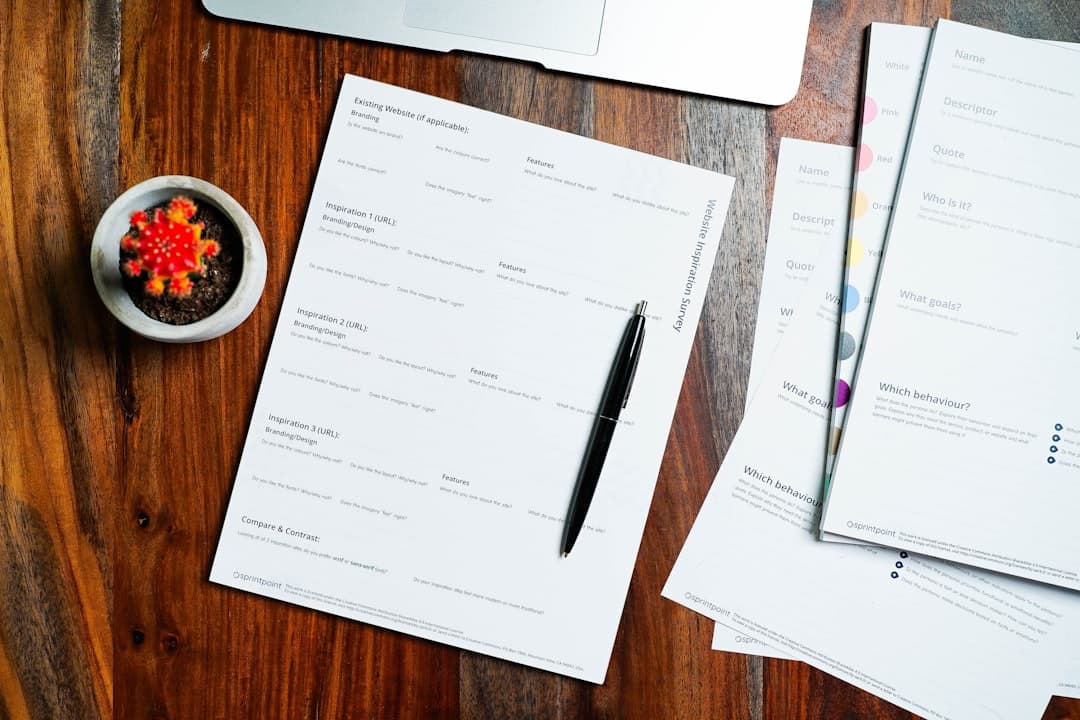
A web design proposal is the document that turns a sales conversation into a signed project. A strong one covers nine parts: a summary, the client’s goals, your understanding of the problem, the proposed scope, deliverables, timeline, pricing, terms, and a clear next step. It sells the outcome first and the work second.
Most proposals lose deals not because the price is wrong but because the document is vague. The client cannot tell what they are buying, when it ships, or what happens if scope changes. A clear, well-structured proposal removes that doubt and makes saying yes the easy choice.
This guide gives you a complete, reusable web design proposal structure, explains what belongs in each section, and shows how to present design and technical decisions in a way prospects actually understand.
Key takeaways
- A proposal should lead with the client’s goals and the business outcome, not with your process.
- Nine core sections cover every winning proposal: summary, goals, problem, scope, deliverables, timeline, pricing, terms, and next step.
- Define scope and exclusions explicitly so revisions and out-of-scope requests never become arguments later.
- Present pricing as tiered options when you can, since choice raises close rates over a single take-it-or-leave-it number.
- Show, do not just tell: link to relevant work and explain design choices in plain language tied to results.
What a web design proposal is for
A proposal does three jobs at once. It confirms you understood the client’s problem, it sets expectations so the project runs smoothly, and it closes the sale. When any of those jobs is missing, the document underperforms.
The proposal is a sales tool, not paperwork
Treat the proposal as the strongest argument you will make for the engagement. Every section should reduce a specific worry the client has, whether that is cost, timeline, quality, or whether you understand their business. The tone should be confident and specific, written as though the project is already moving forward.
Send it fast, while interest is high
The best proposal in the world loses to a faster one if the prospect cools off. A reusable template lets you turn a discovery call into a tailored proposal within a day. The structure stays constant; only the goals, scope, and pricing change per client.
The nine sections of a complete proposal
Use this as your master outline. Each section has one job, and skipping any of them creates a gap a hesitant buyer can fall into.
- Executive summary. Two or three sentences that state the outcome you will deliver and why it matters to their business.
- Client goals. The measurable objectives in the client’s own words: more leads, higher conversion, a faster site, a refreshed brand.
- Problem and opportunity. Your read of why their current site falls short and what a better one unlocks.
- Proposed scope. Exactly what you will build, page by page or feature by feature, plus a short list of what is out of scope.
- Deliverables. The concrete things they receive: a designed and built site, a content management setup, training, source files.
- Timeline. Phases with rough dates, from kickoff to launch, including review windows.
- Pricing. The investment, ideally as tiered options.
- Terms. Payment schedule, revision limits, ownership, and what triggers a change order.
- Next step. A single, obvious action: approve, sign, and pay the deposit.
Scoping the design work clearly
Scope is where proposals quietly fail. If a client thinks unlimited revisions are included and you assumed two rounds, the project sours. Spell out the design system, the number of pages, the responsive behavior, and the revision rounds.
Name the structural and visual elements
Specify the layout foundation you will use so the client sees you have a plan. Reference the underlying grid system that will keep pages aligned and consistent, and note how the design will adapt across breakpoints. Tying scope to concrete design decisions signals craft and reduces back and forth during the build.
Set revision rounds and out-of-scope rules
State plainly how many revision rounds each phase includes, for example two rounds at the design stage and one at the development stage. Then list common out-of-scope items: new page templates added mid-project, copywriting beyond a fixed word count, ongoing maintenance. This protects your margin without feeling adversarial.
Presenting deliverables and timeline
Clients buy certainty. A clear deliverables list and a phased timeline make the engagement feel safe and predictable.
A sample phase timeline
| Phase | What happens | Typical duration |
|---|---|---|
| Discovery | Goals, content audit, sitemap, references | 3 to 5 days |
| Design | Key pages designed, two review rounds | 1 to 2 weeks |
| Build | Responsive build, interactions, CMS setup | 2 to 3 weeks |
| Review and launch | QA, content load, training, go live | 1 week |
Make responsiveness an explicit deliverable
Mobile is the majority of traffic for most sites, so responsive behavior should be a named deliverable, not an assumption. Linking to responsive web design examples in your proposal shows prospects what adaptive layouts look like in practice and proves you build for every screen, not just the desktop mockup.
Pricing that closes
How you present price changes the answer. A single number invites a yes or no. Tiered options invite a which one, which is a much easier conversation.
Use three tiers when you can
Offer a focused package, a recommended package, and a premium package. The middle tier should be the one you want most clients to pick, anchored by a higher option above it. Each tier should map to a different level of scope, not a different level of quality. You never sell worse work cheaply; you sell less of it.
Tie price to outcomes, not hours
Frame the investment against the result. A site that lifts conversion or shortens sales cycles is worth far more than the hours it took to build. Anchoring price to business value moves the conversation away from comparing hourly rates and toward the return the client gets.
Details that signal craft
Small touches in a proposal separate a studio that obsesses over quality from one that ships templates. These details cost little and raise perceived value.
Reference the experience layer
Mentioning that the build will include considered microinteractions, the subtle hover states, transitions, and feedback animations that make a site feel alive, tells the client you think beyond static pages. It is a low-cost line in the proposal that communicates high attention to detail.
Keep the document visually clean
A proposal about web design should itself be well designed. Generous spacing, clear headings, and a consistent type scale make it easy to read and reinforce that you care about presentation. A cluttered proposal undermines the very service you are selling.
Writing each section so it sells
Structure gets you a complete proposal. Copy gets you a signed one. The way each section is written decides whether the document reads as a confident expert or a nervous vendor hoping to be picked.
Open with their world, not yours
The executive summary should sound like it was written for one specific business, because it was. Reference the client’s industry, their stated goal, and the outcome you will produce. A line like “your current site loads slowly and buries your booking flow, so we will rebuild it to load fast and put booking one tap away” lands far harder than a generic boast about your studio’s awards. Specificity proves you listened on the discovery call, and listening is what prospects are really buying.
Frame the problem as opportunity
When you describe what is wrong with the current site, do it without insulting whoever built it, then pivot immediately to what becomes possible once it is fixed. The point is not to make the client feel foolish for their old site. The point is to make the better future feel concrete and close. Pair each weakness with the gain that solving it unlocks, so the section reads as momentum rather than criticism.
Make the next step impossible to misread
End with one action, stated plainly, with no ambiguity about what happens after they take it. “Approve this proposal and pay the deposit and we begin discovery on Monday” beats a vague “let me know your thoughts.” Every extra decision you ask the prospect to make is a place the deal can stall, so collapse the close to a single yes.
Common proposal mistakes that cost the deal
Most losing proposals share the same handful of flaws. Knowing them lets you audit your own template before it goes out.
- Leading with process instead of outcome. The client cares about the result first. Your five-phase methodology is reassurance, not the headline.
- Burying the price. Hiding the number forces another email and signals discomfort with your own value.
- Leaving scope open. Without explicit exclusions and revision limits, every project drifts and margin evaporates.
- One giant wall of text. A proposal that is hard to skim gets half-read by the busy decision maker who actually signs.
- No clear next step. If the reader finishes unsure what to do, the deal cools while they decide on their own.
Audit before you send
Run a quick pass on every proposal against those five points. Read it as the client would, skimming for the goal, the price, the timeline, and the action. If any of those four are hard to find in thirty seconds, restructure before sending. A two-minute audit routinely saves a deal that vague copy would have lost.
Frequently Asked Questions
How long should a web design proposal be?
Long enough to answer every reasonable question and no longer. For most small to mid-size projects, two to five pages is right. Lead with the summary and goals so a busy decision maker can grasp the value in the first thirty seconds, then let scope, timeline, and pricing fill in the detail for anyone who reads further.
Should I include pricing in the proposal or hold it back?
Include it. A proposal without a price forces another round of emails and slows the deal. Present the investment as tiered options so the prospect chooses a level rather than approving or rejecting a single figure. The clearer the pricing, the faster the decision.
What is the most common reason proposals get rejected?
Vagueness. When a prospect cannot tell exactly what they are buying, when it ships, and what happens if they want changes, they hesitate, and hesitation kills deals. A proposal with explicit scope, named deliverables, a phased timeline, and clear terms removes that doubt and wins more often.
Let Framer Websites design the site behind the proposal
Once your proposal is approved, you still need a site that delivers on it. Framer Websites builds fast, beautifully designed sites in Framer for agencies and founders, with clear scope and predictable timelines. See packages and starting points on our pricing page and we will help you scope the project right.