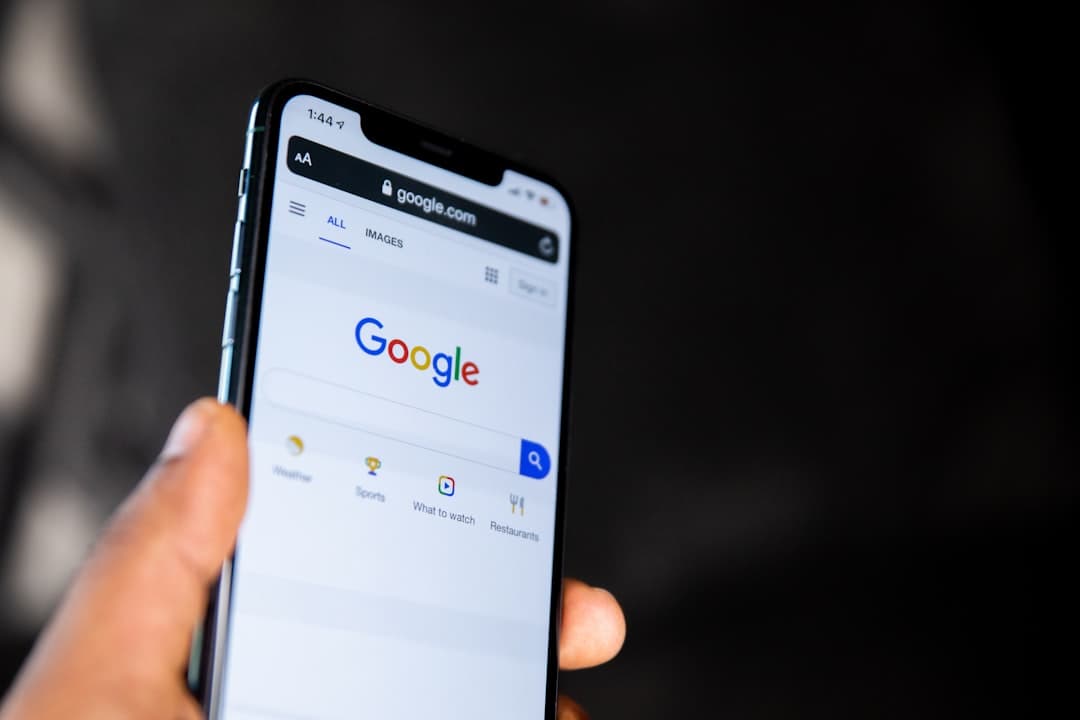
Featured snippets are the boxed answers Google places at the top of search results, above the standard listings, pulled directly from a ranking page. Winning one puts your content in the most visible spot on the page and often earns the click before users scroll. You win them by answering a clear question concisely, structuring content for easy extraction, and already ranking on page one for the query.
What Featured Snippets Are
A featured snippet is a short extract Google promotes to the top of search results to answer a query immediately. It appears in a few recognizable formats. Paragraph snippets give a direct text answer, usually forty to sixty words, and are the most common type. List snippets pull ordered or unordered lists, common for steps and rankings. Table snippets lift structured data like pricing or comparisons. Video snippets surface a relevant clip with a timestamp.
Google generates snippets automatically from pages that already rank, so you do not submit or request one. The engine chooses the page and the passage it believes best answers the query. Your job is to make your content the cleanest, most extractable answer available, then to rank high enough to be considered.
Why Featured Snippets Matter for Visibility and Traffic
The snippet occupies the most valuable real estate on the results page, often called position zero. It sits above the first organic listing, which gives it disproportionate visibility and brand exposure. For informational queries, capturing the snippet can lift click-through meaningfully, and even when a user reads the answer without clicking, your brand earns the impression and the authority that comes with being Google’s chosen source.
Featured snippets also feed the answer layer that voice assistants and AI search experiences draw from. When a smart speaker reads a single answer aloud, it is frequently the featured snippet. As AI-driven search grows, the structured, quotable content that wins snippets is the same content these systems prefer to cite, which makes snippet optimization a forward-looking investment. It pairs naturally with the on-page fundamentals in our meta tags guide and the technical groundwork in our schema markup guide.
Snippet Types and What Triggers Them
| Snippet type | Triggered by | How to format |
|---|---|---|
| Paragraph | What, why, who, definition queries | 40 to 60 word direct answer near the heading |
| List | How-to, steps, best-of queries | Numbered or bulleted list under a clear heading |
| Table | Comparison, pricing, spec queries | Clean HTML table with headers |
| Video | How-to, demonstration queries | Indexed video with timestamps |
How to Diagnose Snippet Opportunities
Snippet hunting starts with research, not writing. Find the queries where a snippet exists and you already rank nearby.
- Search the query manually: Run your target query and note whether a snippet appears and what format it takes. The current snippet shows you exactly what Google rewards for that intent.
- Check your ranking position: Snippets are almost always pulled from page-one results. Identify queries where you rank in the top ten but do not own the snippet, since those are the realistic targets.
- Use Search Console: Filter for queries with high impressions and mediocre click-through. Many of those are snippet opportunities you are losing to a competitor.
- Analyze the winning page: Look at how the current snippet holder structured the answer. Match or beat that structure with a clearer, more complete response.
Concrete Tactics to Win Featured Snippets
1. Answer the Question Directly and Early
Place a concise, self-contained answer immediately after the relevant heading. For paragraph snippets, keep it to roughly forty to sixty words and make it readable out of context, since Google lifts it verbatim. Lead with the answer, then expand below.
2. Match the Format Google Already Shows
If the live snippet is a numbered list, write a numbered list. If it is a table, build a clean table. Google rarely changes format for a query, so giving it the exact structure it already prefers improves your odds.
3. Use Clear Question-Based Headings
Phrase headings as the questions people actually search, then answer them directly beneath. This mirrors how Google maps queries to passages and makes extraction trivial. A frequently asked questions section, like the one on this page, is a reliable snippet generator.
4. Structure for Extraction
Use semantic HTML, ordered and unordered lists, tables for comparisons, and short paragraphs. Add FAQ schema where appropriate to reinforce the question-and-answer structure. The cleaner your markup, the easier it is for Google to identify and lift the answer.
5. Cover the Full Question
Answer the primary question concisely, then address the natural follow-ups in the same section. Comprehensive pages that satisfy the whole intent outrank thin ones, and depth signals the authority Google looks for when choosing a snippet source.
Featured Snippet Checklist
- Confirm a snippet exists for the query and note its format
- Verify you rank in the top ten before optimizing
- Add a direct 40 to 60 word answer right after the heading
- Match the snippet format Google currently shows
- Phrase headings as searched questions
- Use lists, tables, and FAQ schema for clean extraction
- Re-check Search Console after a few weeks to confirm the win
How Framer and Modern Stacks Support Snippet Wins
Winning snippets is mostly about content and structure, but the technical foundation matters more than people expect. Google has to crawl, render, and trust your page before it will feature it, and a slow or poorly rendered site undermines all three.
Next.js
Next.js renders content server-side so the full HTML, including your carefully structured answers and schema, is available to crawlers immediately rather than waiting on client-side JavaScript. Fast rendering and clean markup give Google an easy page to read and feature.
Framer
Framer outputs clean, semantic HTML, supports custom schema markup, and delivers strong Core Web Vitals out of the box, which is the technical bar a page must clear to compete for snippets. Because Framer sites load fast and render reliably for crawlers, your structured answers get indexed and considered without the JavaScript rendering problems that plague some single-page applications. For more on getting Framer content indexed well, see our guide on Framer SEO. Building on a fast, crawlable platform means your snippet optimization actually has a chance to pay off.
A Practical Workflow for Capturing Snippets in 2026
Snippet optimization works best as a repeatable process rather than a one-time push. The teams that consistently win position zero treat it as a loop: find the opportunity, structure the answer, ship it, then measure and refine. Here is the workflow we recommend.
Begin in Search Console. Filter for queries where you already earn impressions but the click-through rate lags, then cross-reference those queries against the live results to see which ones display a featured snippet you do not own. These are the highest-probability targets, because you already rank near the top and Google has already decided the query deserves a snippet.
For each target, study the current snippet holder. Note the exact format Google chose, the length of the answer, and how the winning page structured its heading and the passage beneath it. You are not copying the content, you are matching the structure Google has already shown it prefers for that intent, then making your answer clearer and more complete.
Next, rewrite your passage for extraction. Lead with a direct answer of roughly forty to sixty words placed immediately under a heading phrased as the searched question. Make the answer read correctly out of context, since Google lifts it word for word. Below the concise answer, expand with the depth and supporting detail that signal genuine authority on the topic.
Then reinforce the structure with markup. Use semantic HTML, ordered or unordered lists for step and ranking queries, clean tables for comparisons, and FAQ schema where a question-and-answer format fits. The cleaner the markup, the easier it is for Google to identify and feature your passage. Our schema markup guide covers how to implement this correctly.
Finally, measure and iterate. Snippets can take a few weeks to change hands after you update a page, so check Search Console and the live results on a schedule rather than expecting an instant win. When you capture one, document what worked and apply the same pattern to the next target. Over time this loop compounds into a meaningful share of position-zero placements across your most valuable queries.
Featured snippets reward the clearest answer on a fast, crawlable page. Get the structure right, build on a foundation Google can read easily, and you put yourself in position for the most visible spot in search. If you want a site engineered for both speed and search visibility, explore our portfolio or review our pricing.
Frequently Asked Questions
How do I get a featured snippet on Google?
Rank on page one for the target query, then answer the question directly and concisely right after a clear heading, usually in forty to sixty words for paragraph snippets. Match the format Google currently shows for that query, whether paragraph, list, or table, and use clean semantic markup so the answer is easy to extract.
Do featured snippets increase traffic?
Often yes. The snippet sits above the first organic result in the most visible position on the page, which can lift click-through for many informational queries and earns valuable brand exposure even when a user reads the answer without clicking. The effect varies by query and intent, so monitor Search Console to confirm the impact.
Can Framer sites win featured snippets?
Yes. Featured snippets depend on clear, well-structured content on a fast, crawlable page, and Framer outputs clean semantic HTML, supports schema markup, and delivers strong Core Web Vitals. As long as the content directly answers the query and the page ranks on page one, a Framer site competes for snippets like any other well-built site.