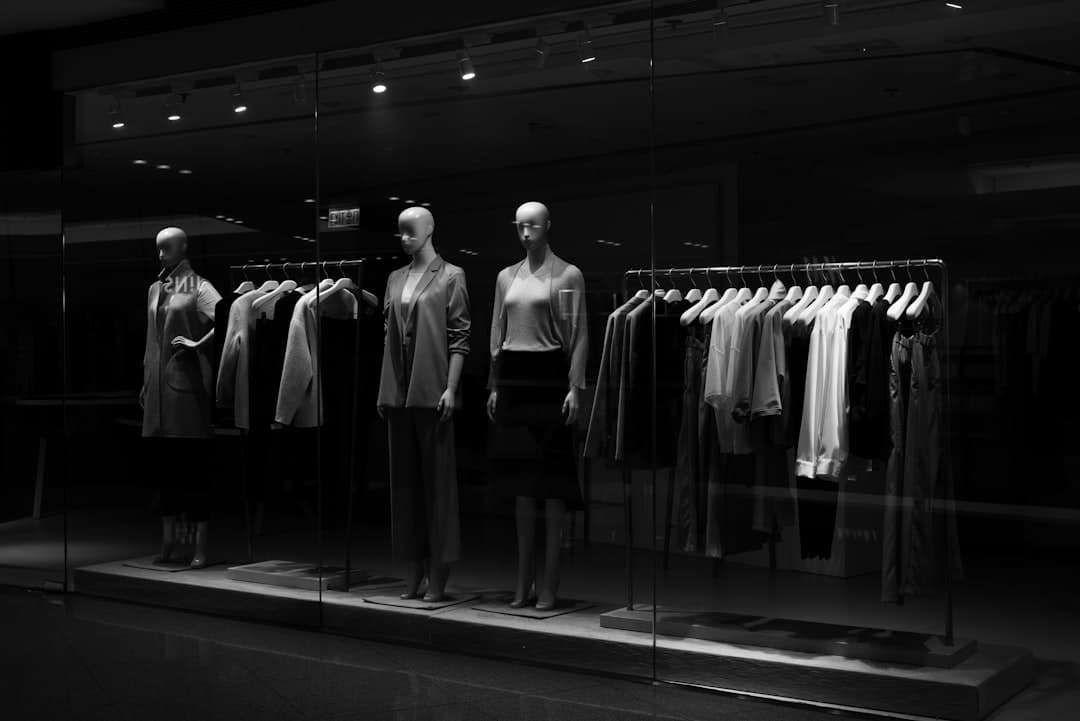
Fashion ecommerce websites win on visual impact, frictionless filtering, and trust. The best designs feel editorial rather than transactional. Editorial-quality photography, clean lookbooks, fast faceted filtering, transparent size guides, and a mobile-first checkout that takes thirty seconds turn browsers into buyers.
Why Fashion Ecommerce Demands Specialized Design
Fashion is unlike most ecommerce categories. The product is emotional, the purchase is identity-driven, and the visual standard is set by a handful of editorial brands that have raised the bar for the entire category. A fashion site that looks like a generic Shopify template signals to the customer that the brand has not invested in itself, and customers respond by not investing either.
The best fashion ecommerce websites operate as part magazine, part catalog, part checkout. They sell garments, but they also sell aesthetic, point of view, and aspiration. Every design decision must serve all three jobs. Reviewing the broader patterns in this ecommerce website design guide is a useful starting point.
Editorial-Quality Imagery
Photography is the single largest determinant of conversion on a fashion website. The minimum bar is high: clean studio shots on white or neutral backgrounds, lifestyle shots on real people, multiple angles for every garment, and zoom that reveals fabric texture. Above the minimum, the brands that invest in genuine editorial photography – styled, location-shot, with an art direction point of view – consistently command higher prices and lower return rates.
Each product page should have at least four images: a front-facing studio shot, a back or side angle, a detail shot showing fabric or stitching, and a lifestyle shot showing the garment worn. Video is increasingly expected: a short loop showing how a fabric drapes or a fit moves on a model often outperforms additional still images. The image optimization guide matters more here than almost anywhere else, since fashion sites are image-heavy by nature and easily slowed by poorly optimized assets.
Lookbooks and Editorial Storytelling
A lookbook is more than a gallery. It is a curated narrative that puts garments in context, suggests how to wear them, and reinforces the brand’s aesthetic. Seasonal lookbooks, thematic shoots, and collaborations all live here. The lookbook page should feel like a magazine spread, not a product grid – large images, generous spacing, minimal text, with each look linked to the products that comprise it.
For shoppers who arrive without a clear intent, lookbooks are the highest-conversion entry point. They build desire and drop visitors into product detail pages already primed to buy. Make sure every look has a “shop the look” affordance that adds the entire outfit to the cart in one tap.
Faceted Filtering That Works
Once a shopper has intent, the next test is whether they can find the right item quickly. Faceted filtering – the ability to narrow products by category, size, color, price, fabric, and style – is mandatory for any fashion site with more than fifty products. The mistake most fashion sites make is too many filters or too few.
The right filters depend on the catalog: for a denim brand, fit and rise matter; for a shoe brand, size and width; for a dress brand, occasion and length. Talk to customers, look at search logs, and prioritize the filters they actually use. Show item counts next to each filter so shoppers know what they are filtering down to. And on mobile, never hide filters in a tab that disappears when the user scrolls.
Size Guides and Fit Confidence
Size and fit confusion is the leading cause of fashion ecommerce returns. The website can do enormous work here. Size guides need to be product-specific, not generic. Show measurements in both inches and centimeters. Compare the garment’s measurements against a standard reference, like the customer’s existing favorite jeans. For brands with significant fit variation, fit-finder quizzes that ask three or four questions and recommend a size convert dramatically better than static guides.
Reviews that include the reviewer’s height, weight, usual size, and the size they bought provide enormous social proof. Encourage customers to include this information in reviews and surface it prominently on the product page. A first-time buyer reading “I am five-six and usually wear a small, the medium fit perfectly” is far more confident than one reading a generic five-star rating.
Styling Recommendations
“Style it with” sections, “complete the look” carousels, and “you might also like” recommendations all serve a dual purpose. They increase average order value, and they help the shopper visualize the garment in context. Manual curation by a stylist outperforms algorithmic recommendations for fashion brands more often than not, especially for newer brands without enough purchase data to train models.
For brands building a more substantial site, consider a dedicated “style edit” or “styling tips” content section. The patterns in this landing page design guide apply to those styled-content pages too.
Returns and Exchanges Transparency
Returns are the elephant in every fashion ecommerce checkout. Customers know fit is uncertain. The brands that win are the ones that signal confidence in the buyer’s ability to return without a fight. State the return policy clearly and prominently – on the product page, in the cart, on checkout – not buried in a footer link. Free returns, where the unit economics permit, lift conversion meaningfully. For brands that cannot offer free returns, transparent flat-rate return shipping (“five dollars regardless of the order”) still beats opaque or punitive return policies.
Exchange flows that swap one size for another without the customer paying anything new and without waiting for the original return to process are a meaningful competitive advantage. Few brands offer them. Customers notice.
Mobile-First Checkout
The majority of fashion ecommerce traffic and an increasing share of conversions now come from mobile devices. The checkout has to work flawlessly on a phone. One-page checkout with autofill, digital wallet support (Apple Pay, Google Pay, Shop Pay), guest checkout as the default, and address forms that auto-validate save thirty seconds per checkout, which translates to meaningful lift in completion rate.
Reduce required fields ruthlessly. Email, shipping address, payment, billing address (auto-checked to match shipping), and an order review screen. That is the minimum and ideally the maximum. Reviewing the mobile-first design guide sharpens checkout decisions.
User-Generated Content
UGC – real photos of real customers wearing the brand – is the strongest social proof a fashion website can offer. Encourage tagged photos on Instagram and TikTok, then display them on product pages with permission. UGC sections lift conversion across nearly every fashion brand that adds them, often double-digit percentage points.
The implementation matters. UGC must be moderated to keep quality consistent with the brand. Tools like Foursixty, Yotpo, and Okendo handle the heavy lifting. Display UGC near the product images, not in a separate section the buyer might not scroll to.
Platform Choices for Fashion Ecommerce
Most fashion brands do best on Shopify, which has the deepest ecosystem of fashion-specific apps for size guides, returns, UGC, and subscriptions. Shopify Plus extends to enterprise scale. For brands prioritizing distinctive design, pairing Shopify with a custom front-end built on Framer or Next.js delivers editorial-quality presentation while keeping Shopify’s checkout and inventory management. For organizations weighing this approach, the Framer Shopify integration guide covers the implementation details.
Other options include WooCommerce (for brands already on WordPress), BigCommerce, and the increasing number of headless options. The decision is rarely about features and almost always about which platform’s design ceiling matches the brand’s ambitions. For broader context, see framerwebsites.com/industries/ecommerce.
Performance and Speed
Fashion ecommerce sites are heavy by nature: high-resolution images, video, third-party scripts for analytics, reviews, and chat. Performance can degrade fast. Aggressive image optimization (WebP or AVIF, responsive images, lazy loading), a content delivery network, and disciplined script management are not optional. A fashion site loading slower than three seconds on mobile loses meaningful conversion against faster competitors.
Common Mistakes Fashion Ecommerce Brands Make
The most common mistakes cluster around a few patterns. Stock photography or low-quality product images. Vague size guides without product-specific measurements. Buried return policies. Checkout flows that demand account creation. Filter sets that do not match how customers actually shop. Slow mobile load times. Generic “shop now” calls to action instead of concrete, time-bound copy. Lookbook pages that exist but do not link to products.
The single most damaging mistake is treating the website as a catalog rather than a brand experience. Fashion buyers are choosing identity as much as garments. The site that feels editorial wins.
Frequently Asked Questions
What platform should we use for a fashion ecommerce website?
Shopify is the dominant choice for fashion brands of all sizes, with the deepest ecosystem of fashion-specific apps. Shopify Plus serves enterprise scale. Brands prioritizing distinctive design often pair Shopify’s checkout and inventory with a custom front-end built on Framer or Next.js.
How much does a fashion ecommerce website cost?
A polished fashion ecommerce site typically costs ten thousand to fifty thousand dollars to design and build, plus ongoing platform fees of fifty to two thousand dollars per month depending on scale. Custom front-end builds for brands with editorial ambitions can run higher.
How important is photography for a fashion ecommerce site?
Photography is the single largest determinant of conversion. The minimum is multiple high-resolution angles per garment, both studio and lifestyle. Brands that invest in true editorial photography consistently command higher prices and lower return rates.
How do we reduce returns on a fashion ecommerce site?
Product-specific size guides with measurements, fit-finder quizzes for variable fits, reviews that include reviewer height and usual size, and detailed fit notes from the brand all reduce returns meaningfully. Video that shows fabric drape and movement also helps.
Should we offer free returns?
Free returns lift conversion meaningfully where the unit economics permit. For brands that cannot afford free returns, transparent flat-rate return shipping still beats opaque or punitive return policies. Easy size-exchange flows that ship the new size without waiting for the original return are a strong competitive advantage.