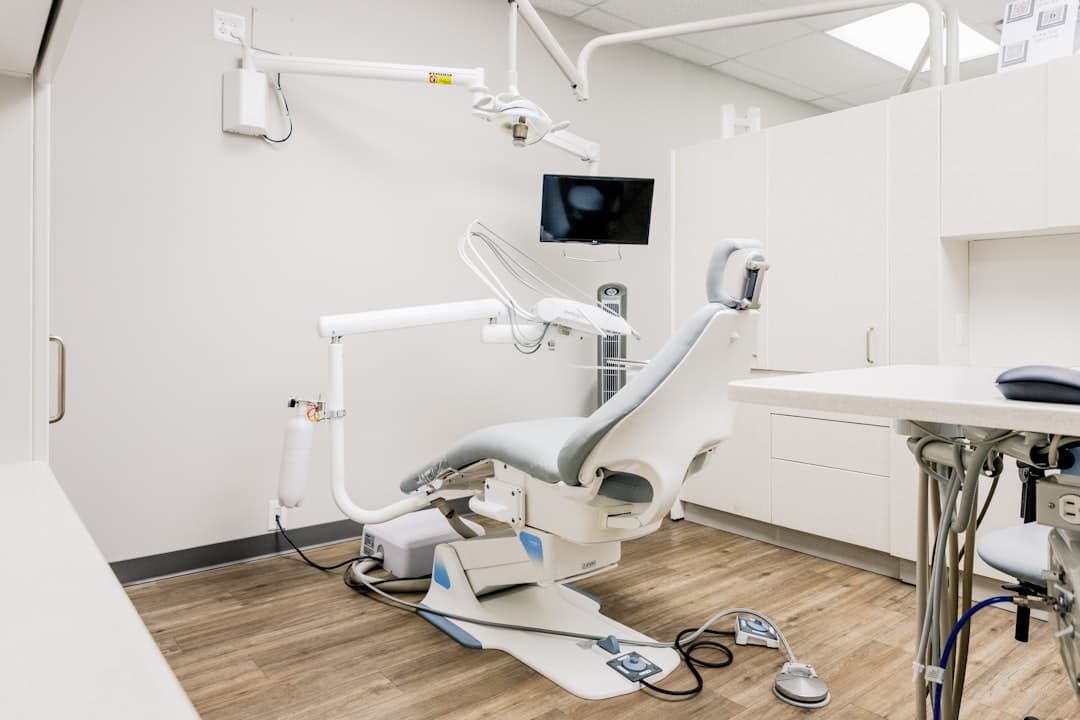
A dental practice website is local marketing first, design portfolio second. The visitor is usually within five miles, comparing two or three nearby practices, and deciding based on whether your site loads fast, shows real photos of your office and team, lists the services they need, and lets them book online without a phone call. Beautiful design helps. Specific information, fast load times, and a frictionless booking flow win.
Why Dental Sites Are Different from Other Local Business Sites
Dental is one of the most competitive local search categories in the country. Every metro has dozens of practices fighting for the same Google Maps pack, the same insurance directory placements, and the same review volume. The differences between practices that book new patients consistently and practices that struggle usually come down to three things: a fast, mobile-first website with online booking, an active Google Business Profile with strong review velocity, and consistent NAP (name, address, phone) data across the directories that matter (Google, Healthgrades, Zocdoc, ADA Find a Dentist, insurance carrier directories).
The visitor profile is also specific. Most dental site visitors are mobile, often searching while in pain or while their existing dentist is unavailable. Page speed, visible phone number, and obvious booking path matter more than hero animations or sophisticated typography. The site’s job is to remove friction, not to win design awards.
The Pages You Actually Need
The minimum viable dental practice site has nine surfaces: home, about the practice and team, services (with separate pages for the high-value services), new patients (what to expect, forms, insurance), insurance and financing, online booking, contact and location with map, reviews and testimonials, and a blog (light cadence, focused on local SEO).
The high-value services that deserve their own pages typically include: general dentistry, cosmetic dentistry, dental implants, Invisalign or clear aligners, teeth whitening, emergency dentistry, pediatric dentistry, and any specialty offering (oral surgery, periodontics, endodontics). Dedicated pages outrank single combined services pages in local search and convert better because they answer the specific question the visitor brought.
Hero Sections That Convert Local Patients
The dental hero section has one job: prove you are a real, professional, local practice the visitor can call today. The pattern that works: a headline naming the practice and city (“Family and cosmetic dentistry in Austin, TX”), a subheading naming a credibility signal (“Trusted by 4,000+ patients since 2008”), a phone number visible above the fold, a primary CTA toward online booking, and a real photograph of the office or team, not stock dental imagery.
Strong examples to study: practices in major metros that consistently rank in the local pack and have 4.8+ star Google reviews tend to share a common look: clean photography of the actual office, real team photos, and obvious booking paths. Avoid the generic “happy person with white teeth” stock photo on the hero. Visitors discount it instantly.
Photography That Builds Trust
Real photography of the office (exterior, reception, operatories), real photos of the doctors and staff (full team page with names, titles, and bios), and ideally before-and-after photos for cosmetic and orthodontic services (with patient consent). Avoid: stock photography of generic dentists, gloved hands holding instruments over open mouths (jarring), and overly polished corporate-style team shots that read as inauthentic.
Hire a local commercial photographer for half a day to shoot the office and team. The investment is typically $500 to $1,500 and pays back in conversion lift for years. Photos should be warm, natural light, show the office as patients actually experience it. For more on healthcare website design fundamentals, the same photography principles apply.
Online Booking and Insurance Information
Online booking is no longer optional in dental in 2026. Practices without it lose new patients to practices that have it. The pattern that works: a prominent “Book Online” CTA throughout the site, a booking flow that asks for name, contact information, preferred time, and reason for visit, integration with the practice management system (Dentrix, Eaglesoft, Open Dental, or modern alternatives like Kareo, NexHealth, or LocalMed), and immediate confirmation with a calendar invite.
Insurance information should be specific. Name the carriers you accept (Delta Dental, Aetna, MetLife, Cigna, Blue Cross Blue Shield, Guardian) rather than saying “most major insurance.” Note whether you are in-network or out-of-network for each. List financing options (CareCredit, in-house financing, payment plans) clearly. Visitors will not call to ask; they will move to the next practice. Hidden insurance information is the most common conversion leak in dental.
Reviews and Local SEO Signals
Google reviews are the strongest credibility signal in dental. The benchmark for a competitive metro is 200+ reviews at 4.7+ stars in 2026. Below 100 reviews and a practice will struggle to rank in the local pack. Embed a live Google review feed on the homepage and on a dedicated reviews page. Avoid: testimonial slider with vague quotes from “M.J., happy patient.” Real reviews with full names and photos win.
Beyond Google, build review velocity on Healthgrades, Zocdoc (if you participate), and dental-specific directories. NAP consistency across all directories matters for local SEO. Use a tool like Yext, BrightLocal, or Whitespark to maintain consistency, or do it manually with a quarterly audit.
Examples Worth Studying in 2026
Practices that consistently dominate local search in major metros tend to share a common pattern: fast mobile load times, real photography, clear service pages with high-value services individually addressed, online booking integrated with the practice management system, and 200+ Google reviews at 4.8+ stars. Look at top-rated practices in your metro on Google Maps and study the design choices they share. Patterns will be obvious within five practices.
For larger DSO and multi-location chains, look at how Aspen Dental, Heartland Dental, and Pacific Dental Services structure location pages and central booking. The pattern works for groups but is overkill for solo practices.
Recommended Platform Stack
For most dental practices in 2026: Framer or Squarespace for solo and small group practices (Squarespace has solid templates with low maintenance burden, Framer wins on design quality and motion), Webflow for design-forward practices and growing groups, and a practice management system that supports modern online booking (NexHealth, Modento, Weave, or LocalMed integrated with Dentrix or Open Dental). The marketing site sends the visitor to the booking widget; the practice management system handles the actual scheduling and reminders.
Avoid: vanilla WordPress with stock dental themes that look identical to every other practice in the metro (visitors recognize the templates), Wix sites with sluggish mobile performance, and generic “dental marketing agency” packages that ship the same template to every practice they sign. If your competitors have the same site as you, neither of you has a competitive advantage.
Common Mistakes to Avoid
Stock photography of generic dentists with bright white teeth. Hero copy that says “Your smile, our priority” without naming the city or specialty. Phone number hidden in the footer instead of above the fold. No online booking. Generic “insurance accepted” without naming carriers. Testimonial slider with no real names. Less than 100 Google reviews. NAP inconsistency across directories. Slow mobile load times (over 3 seconds on 4G is a conversion killer in dental). Service pages combined into one long catch-all instead of separate pages per high-value service. No team page or generic team page without bios.
Frequently Asked Questions
Do dental practices need online booking in 2026?
Yes. Practices without online booking lose new patients to practices that have it. Mobile visitors searching at night or on weekends will book elsewhere if they cannot self-serve. Integrate with your practice management system through NexHealth, LocalMed, Modento, or Weave.
How important are Google reviews?
Critical. Google reviews are the strongest credibility signal in dental and a key factor in local pack rankings. The competitive benchmark in major metros in 2026 is 200+ reviews at 4.7+ stars. Below 100 reviews and a practice will struggle to compete locally.
Should each service have its own page?
For high-value services yes (implants, Invisalign, cosmetic, emergency, pediatric). Dedicated pages rank better in local search and convert better because they answer the specific question the visitor brought. Combine low-volume services into general dentistry.
How much should a dental website cost?
A solo practice site on Framer or Squarespace with a strong template runs $2,500 to $7,500 in 2026. A custom group practice rebuild on Framer or Webflow runs $8,000 to $25,000. DSO and multi-location group sites with central booking run $30,000 to $80,000. Avoid generic dental marketing packages that ship the same template to every practice they sign.
How long should a dental website take to build?
A solo practice site with a strong template and a half-day photo shoot can be done in three to six weeks. A custom group practice site with multiple service pages, location pages, and online booking integration runs eight to twelve weeks.
If you are building or rebuilding a dental practice website and want a design that books new patients consistently, our team ships Framer sites for healthcare practices with the photography, online booking integration, and local SEO foundations that competitive metros require. Get in touch for a same-week scope.